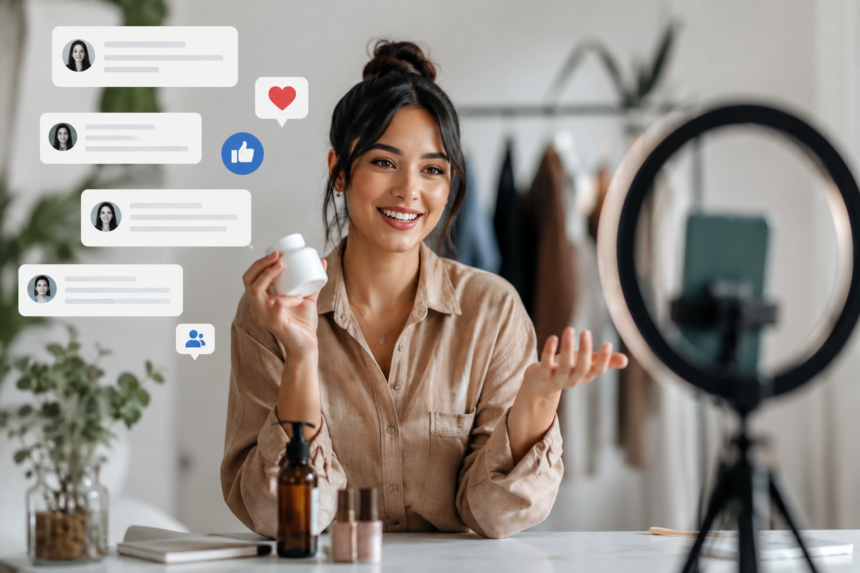
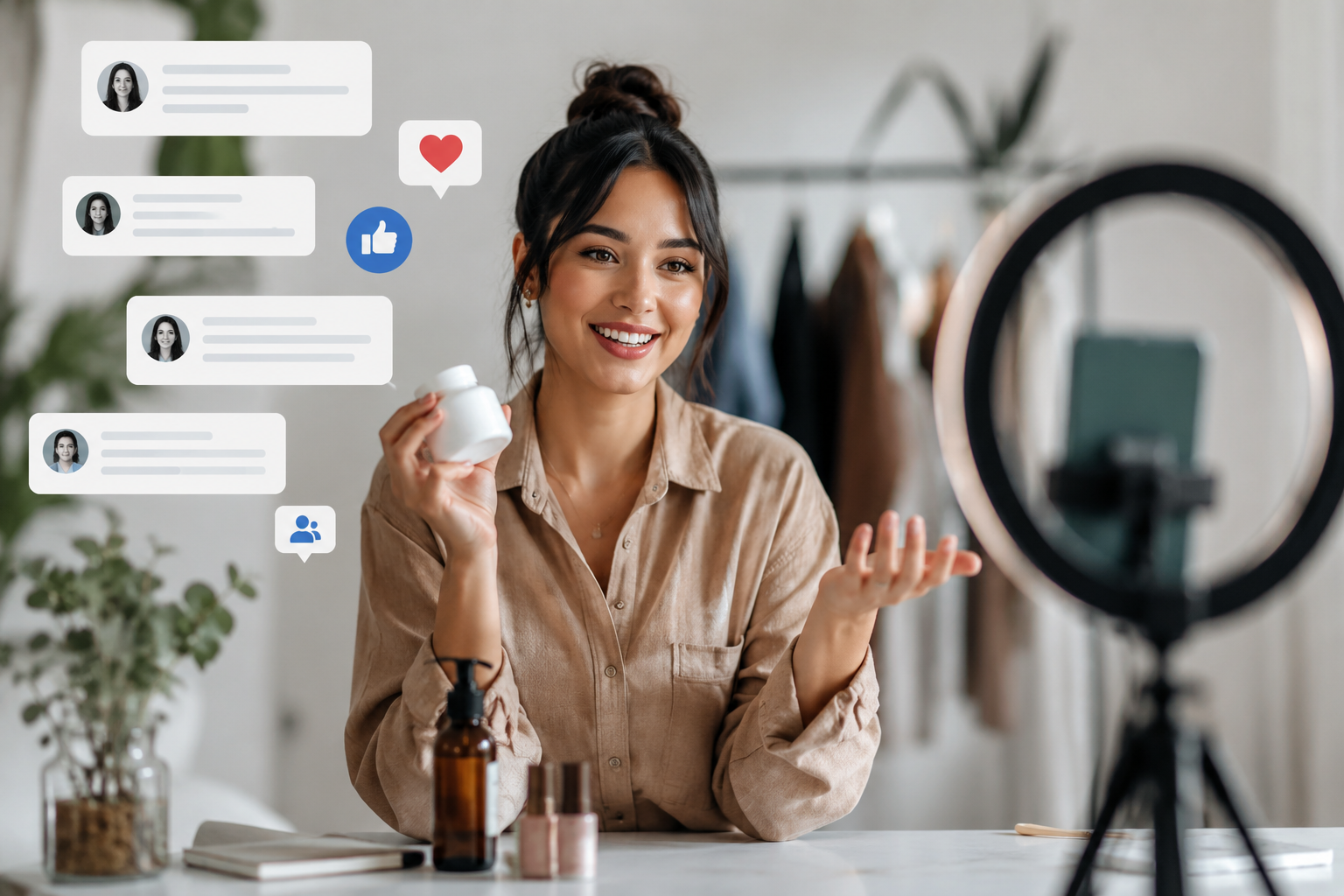
Micro-influencers have become one of the most useful tools in digital marketing because they speak to smaller audiences with a level of familiarity that larger accounts rarely match.
In many cases, a creator with 10,000 engaged followers can drive better results than a personality with a huge audience and thin interaction. That has pushed more brands to treat micro-influencers as a serious growth channel rather than a side experiment.
Harvard Business Review has recently noted that smaller creators can deliver stronger audience fit and direct interaction, which gives brands a better shot at building trust instead of just buying exposure. HBR’s analysis of smaller creators is a good place to see that pattern in context.
That sounds simple, but the practical version is less tidy. Brands do not win with micro-influencers by chasing follower counts, copying generic sponsorship briefs, or hoping a single post will carry a campaign. The better results come from choosing creators with aligned audiences, letting them speak in their own voice, and tracking what actually happens after the post goes live. People notice that.
Micro-Influencers and the Trust Gap
The biggest advantage of micro-influencers is not size. It is credibility. Their audiences usually know what the creator talks about, what kind of products fit that creator’s life, and whether the recommendation feels natural.
Research on micro-influencer marketing has found that authenticity, topic fit, and audience perception shape how people respond to sponsored content. In other words, followers are not just seeing an ad; they are weighing whether the recommendation feels believable.
That trust gap matters because people are more cautious online than they used to be. Polished ads often get tuned out, while recommendations from creators with a steady niche focus tend to feel more usable and less forced. This is one reason micro-influencers work especially well in categories where people want guidance from someone who seems to have real experience: skincare, fitness, parenting, tech, travel, and personal finance. The audience is not just large enough. It is attentive.
There is also a practical benefit for brands. Smaller creators are easier to work with, easier to test, and easier to compare against one another. That makes campaigns more flexible and less risky than placing a large budget on a single high-cost partnership.
How to Choose Micro-Influencers Without Guessing
Good creator selection starts with audience fit, not aesthetics. A strong-looking profile can still be a poor match if the followers are in the wrong country, outside the right age range, or interested in unrelated topics. Before reaching out, review the creator’s recent content, comment quality, posting rhythm, and the type of conversations that happen under their posts.
Look for signs that the audience listens. Do followers ask questions? Do they return for follow-up posts? Do they react to product recommendations with curiosity instead of indifference? Those details usually tell you more than raw follower counts.
Brands should also check whether the creator already works with too many sponsors. A feed packed with promotions can weaken trust fast. One or two well-chosen partnerships can look convincing. Six in a row can look rented.
If you need a public benchmark for the advertising side of this work, the FTC’s disclosure guide for social media influencers explains how sponsorships should be disclosed clearly and conspicuously. That is not just a legal box to tick. It also protects the relationship between creator and audience.
How to Build a Micro-Influencer Campaign that Does More than Collect Likes
The strongest campaigns usually begin with a narrow goal. Not “build awareness” in the abstract, but “drive qualified visits to a product page,” “generate first-time purchases,” or “get trial sign-ups from a specific audience.” A vague brief produces vague content. A clear brief gives creators room to work while keeping the outcome measurable.
Give creators enough structure to stay on message, but not so much that the content sounds copied from a brand deck. The best micro-influencer content tends to feel like a normal recommendation inside a creator’s regular posting style. That means you provide the facts, the timing, and the offer, then let the creator decide how to speak to the audience.
Long-term relationships usually beat one-off posts. Repetition helps the audience recognize the brand without feeling ambushed by it. Harvard Business Review has discussed how brands can use influencer partnerships without damaging credibility, and how repeated exposure can strengthen the relationship between creator, brand, and audience. Glossier is a useful example here: HBR has noted that the company used paid micro-influencers while preserving the community feel that supported its growth.
How to Measure Results
Likes are fine, but they are not the whole story. A campaign can look lively and still fail to move product. For that reason, brands should tie every creator partnership to a measurable action: clicks, sign-ups, purchases, saved posts, or another outcome that maps to the goal.
Google’s current analytics documentation explains how event-based measurement supports web and app tracking, along with conversions and ecommerce reporting. For campaign work, that means you can follow the trail from creator content to landing-page behavior instead of guessing at the impact.
Track more than one creator at a time if you can. That makes comparison possible. Which creator brought the most qualified traffic? Which format led to the best conversion rate? Which audience responded to the offer with the least friction? These answers are far more useful than a simple reach report.
Campaign data also helps brands decide where to go next. A creator with modest reach but strong conversion behavior may be more valuable than a larger account that produces only surface-level engagement.
Maximum Impact in Real Campaigns
Maximum impact usually comes from a simple pattern: small creators, aligned audiences, repeated exposure, and honest measurement. That is the combination that keeps the work grounded. It avoids the common trap of treating influencer marketing like a lottery ticket.
Brands that do this well tend to think like publishers and retailers at the same time. They care about the quality of the story, the relevance of the audience, and the path from post to purchase. They also respect the creator’s voice, because that voice is what made the audience pay attention in the first place.
Micro-influencers are not a shortcut around strategy. They are a better way to use strategy. For brands willing to choose carefully, communicate clearly, and measure honestly, they can turn niche trust into broad commercial results without the drag that often comes with oversized, impersonal campaigns. That is the real upside. And it is not going away soon.

Discover more from Aree Blog
Subscribe now to keep reading and get access to the full archive.