The Trump quantum computing initiative has pushed quantum policy into the center of U.S. technology strategy.
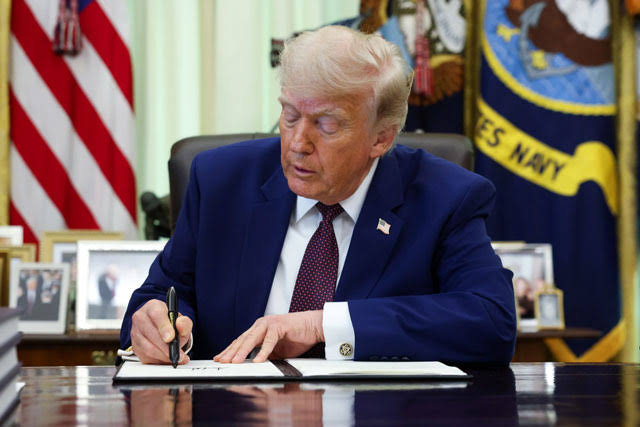
On June 22, 2026, the White House said President Trump signed executive orders that speed up post-quantum cryptography migration across federal systems, while Reuters reported that the broader push also includes a target of building a powerful quantum computer by 2028.
This is not just a science story; it is a race over standards, security, supply chains, and industrial power. White House executive order · Reuters report on the announcement.
Quantum computing is still developing, but the policy shift is already real. The U.S. government is treating quantum as a national technology lane, much like chips, AI, and advanced telecom. That framing changes how companies invest, how agencies buy technology, and how other countries respond.
What the Trump Quantum Computing Initiative Does
The clearest part of the Trump quantum computing initiative is the move on cybersecurity. The White House order tells the Office of Management and Budget and the National Cyber Director to lead a nationwide migration to post-quantum cryptography, with agencies asked to move high-value assets to PQC by 2030 or 2031 depending on use case. The order also directs a NIST pilot project by December 31, 2027, and sets procurement rules that could push contractors to align with new federal standards.
That sounds technical, but the idea is simple. Current public-key encryption can be exposed if large-scale quantum computers become practical. The government is trying to move before that day arrives, not after it has already caused damage. The White House describes PQC as protection against both quantum and classical attacks, which is the foundation of the whole shift.
The second part of the initiative is industrial. In May 2026, NIST said the Commerce Department had issued letters of intent to nine quantum companies for $2 billion in planned support, with IBM and GlobalFoundries receiving the largest planned amounts. The structure includes minority, non-controlling equity stakes, which is a clear sign that Washington wants more influence over where the field is headed.
This is not a lab-only story. Procurement is part of the signal. Funding flows, standards, and government buying power can tilt a market long before a product reaches mass use.
How the Trump Quantum Computing Initiative Shifts Global Tech Competition
The global competition angle is blunt: the United States is trying to set the pace before rivals do. Reuters reported that the administration views quantum as a strategic contest, and the White House fact sheet says the government will also encourage foreign governments and industry groups to transition to PQC standards. That means the U.S. is not only protecting its own systems; it is also trying to shape the rules other markets follow.
That approach touches three layers of competition. First is hardware, where countries want the strongest machines and the deepest engineering base. Second is cryptography, where NIST-approved standards can become the default for banks, cloud providers, and public agencies. Third is supply chain control, because quantum hardware depends on specialized components, cryogenic systems, photonics, and precision manufacturing. Whoever builds those pieces at scale gains leverage that goes beyond one product line.
For China, Europe, the U.K., and Gulf states investing in advanced computing, this matters because standards can move faster than raw computation. Once large customers, regulators, and federal buyers settle on a crypto stack, vendors adapt. Once vendors adapt, ecosystems harden. That is how one policy can ripple through global tech trade. 8
There is also a defense layer. The White House says the new order is meant to safeguard sensitive data, critical infrastructure, and the digital economy. In plain terms, quantum leadership is being tied to cyber resilience, military readiness, and economic control at the same time.
What this Means for Businesses
For companies, the practical lesson is not to wait for a perfect quantum machine before acting. The cryptographic migration has already started, and the deadline pressure is now visible in federal policy. The smartest move is to inventory where your systems use public-key cryptography, decide which services depend on long-lived sensitive data, and plan upgrades in phases.
Start with the systems that store data for years: identity platforms, payment flows, archives, backups, internal APIs, and vendor connections. Those are the places where a “collect now, decrypt later” attack can do the most harm. NIST’s PQC page is a good starting point for the standards already released and the ones still being reviewed.
- Map where your public-key cryptography lives, including software, hardware, and third-party services.
- Flag data that must stay private for many years, not just this quarter.
- Track vendors that already support NIST-approved PQC.
- Build a staged migration plan instead of waiting for a forced replacement cycle.
The companies that move early will have an easier path later. They will also be better positioned to sell into regulated markets, government contracts, and security-heavy sectors. That is the commercial side of the policy change, and it will reward preparation more than speed alone.
How the Initiative cLCould Reshape the Next Decade
The headline is not simply that Washington wants a stronger quantum computer. The larger shift is that the U.S. government is now linking quantum hardware, cryptography, procurement, and foreign policy into one strategy. That combination can speed up domestic capacity, lock in standards, and make quantum a normal line item in defense and enterprise planning.
The 2028 hardware target may be hard to reach, and timelines in quantum are often more hopeful than exact. Still, the policy itself changes behavior. Investors notice. Vendors notice. Competitors notice. The real effect of the Trump quantum computing initiative may be less about a single machine and more about the way it pulls research, budgets, contracts, and security planning into one direction.
That is the part worth watching over the next few years. The countries that can combine research depth, manufacturing strength, and cryptographic readiness will have a cleaner path in the next phase of global tech competition. Quantum is no longer sitting in the background. It is being pulled into the main room.

Discover more from Aree Blog
Subscribe now to keep reading and get access to the full archive.