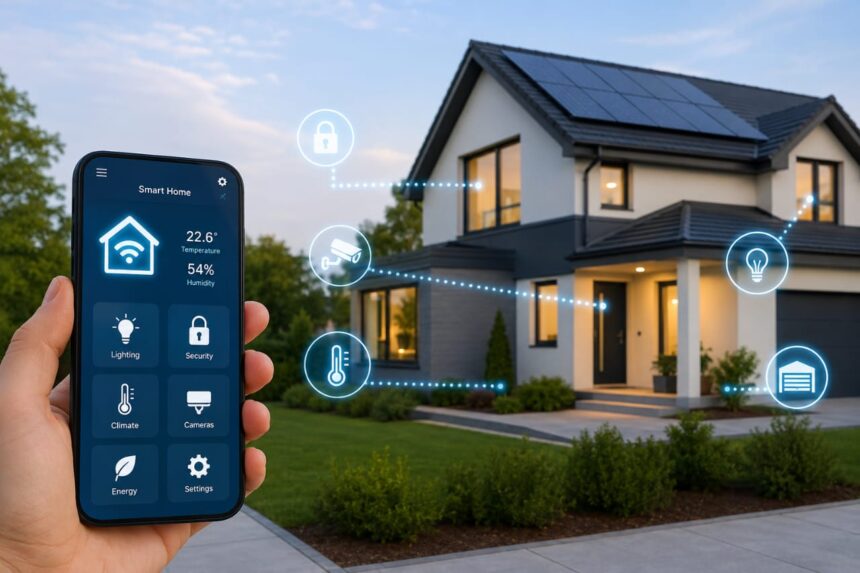
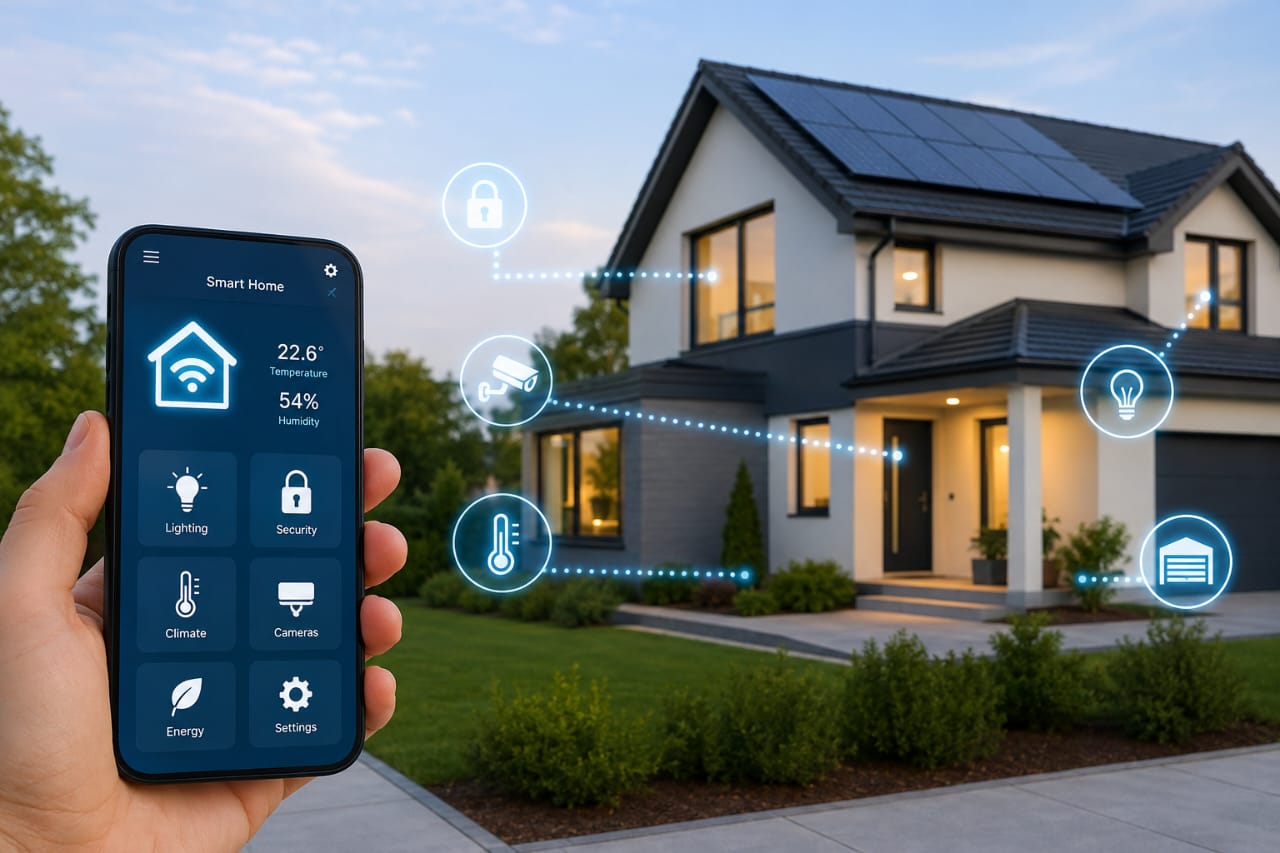
AI is no longer a novelty in housing. McKinsey estimates that AI could unlock as much as $550 billion in value across the real estate value chain, and smart-home features are already showing up in listings, buyer searches, and agent conversations in a way that feels much less experimental than it did even a couple of years ago.
But here is the part people usually skip: AI does not automatically make a home worth more. A voice assistant in the hallway is not the same thing as value. What tends to move the needle is the combination of energy savings, security, convenience, and proof that the home has been well cared for.
My read is that AI can raise resale value, but mostly when it improves a buyer’s daily life in a way they can understand in 10 seconds. If it reduces bills, reduces stress, or makes a home feel easier to live in, it has a real shot at helping the sale price. If it looks flashy, costs extra each month, or feels fiddly, buyers may shrug and move on.
What Buyers Respond To
When buyers say they want smart-home features, they usually mean practical ones.
Zillow reported that 36% of buyers rated smart-home capabilities as highly important in their search, and its analysis found a small pricing advantage for homes with smart lighting. That does not mean every upgrade pays back dollar for dollar, but it does show that useful tech can help a listing stand out.
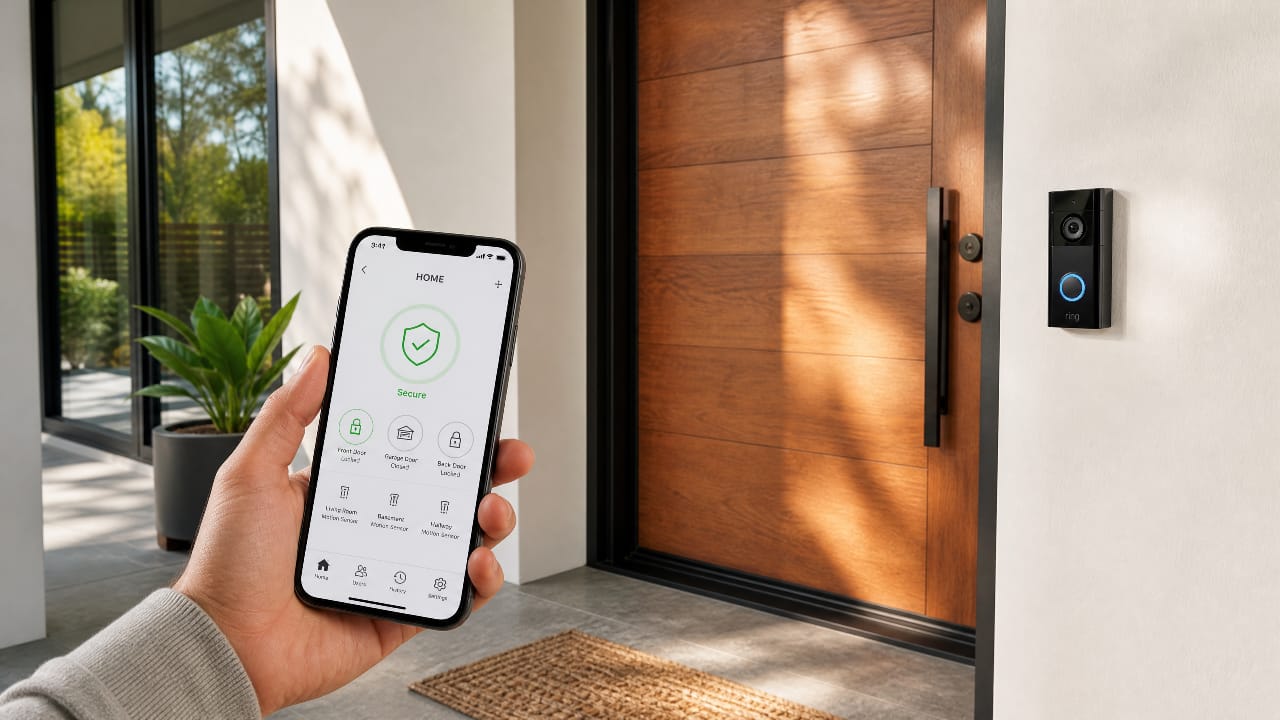
Security is the easiest example. Zillow’s 2025 consumer trends report says security remains the most important smart-home feature for prospective buyers, and NAR has reported that video doorbells, smart locks, voice assistants, connected thermostats, and app-controlled lighting are now common at nearly every price point. In other words, some of these features are starting to feel less like extras and more like expectations.
That is especially true when the system feels simple. NAR’s CES 2026 coverage noted that buyers are more likely to embrace smart features when they are easy to understand and do not come with ongoing fees. That is a big clue for sellers: a home that feels polished and low-friction is more attractive than one packed with obscure tech that needs a manual.
The Upgrades Most Likely to Help Resale
- Smart security systems: video doorbells, smart locks, alarms, and integrated cameras feel immediately useful because they speak to safety and control.
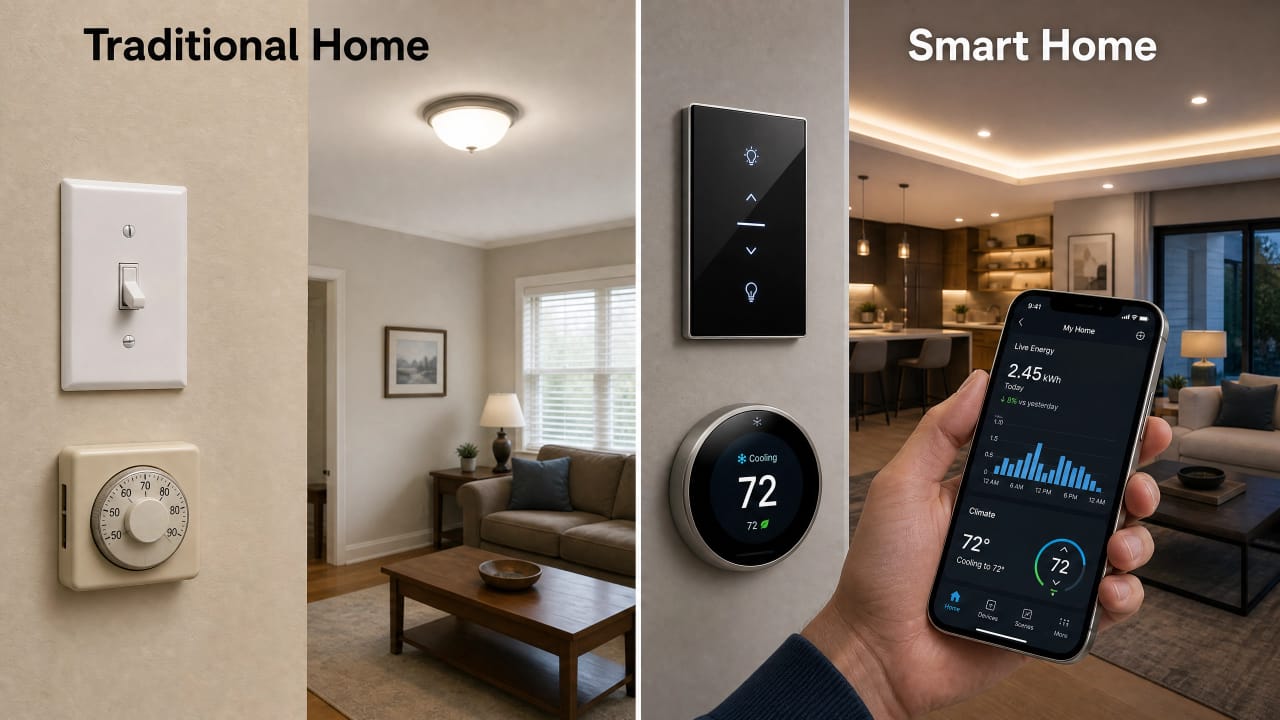
- AI-powered HVAC and energy management: buyers respond to lower utility bills, comfort, and better control. ENERGY STAR says efficiency can improve resale value as much as, or more than, cosmetic upgrades, and its materials link efficient features to lower bills and comfort.
- Predictive maintenance: systems that flag problems before they become expensive repairs are attractive because they reduce surprise costs. That is not just “smart”; it is reassuring.
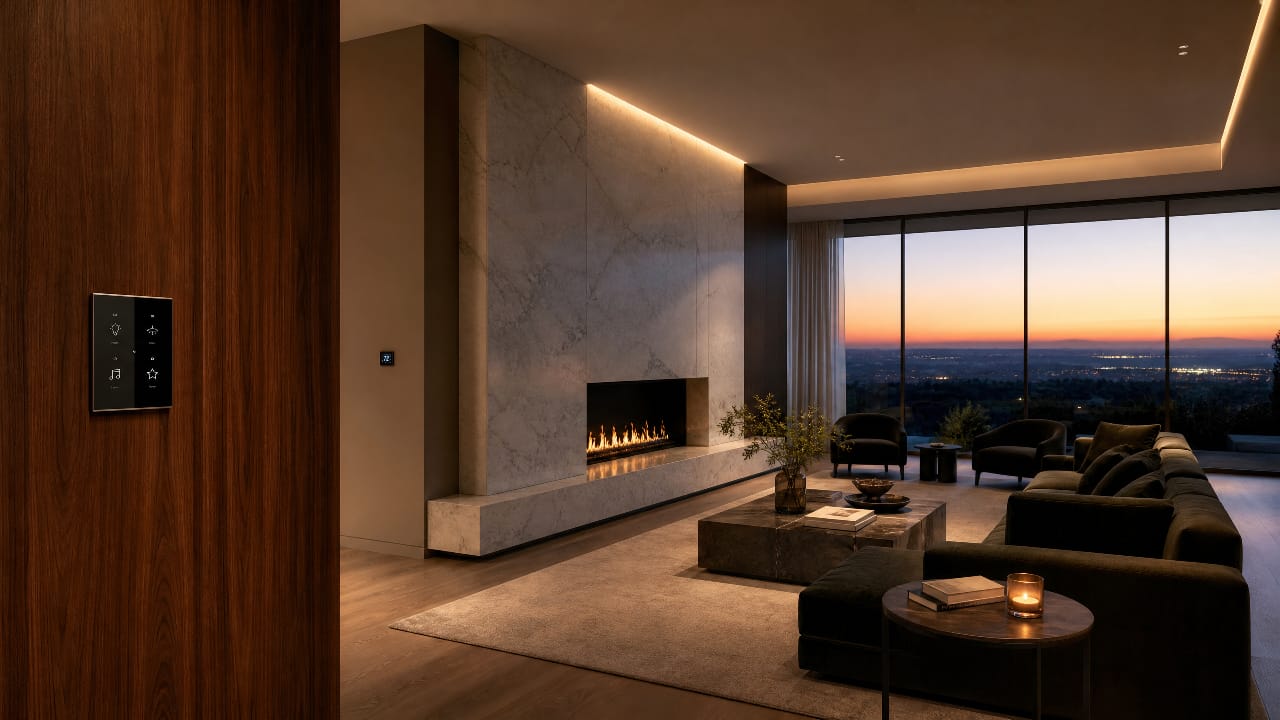
- AI lighting and climate control: these are easy wins when they feel invisible and smooth, especially in homes that already have a modern aesthetic.
- EV charging integrated with smart energy use: this is most compelling in markets where electric vehicles are common and buyers care about future readiness. NAR and Realtor.com both point to efficiency-focused and future-ready features gaining traction.
One thing worth noticing is that the best-value upgrades are usually the ones that feel invisible once installed. Buyers want the benefit, not the maintenance headache.
A smart thermostat is easier to sell than a complicated home lab. A security system that works from one app is easier to explain than five separate apps that do not talk to each other.
Which Ones Buyers Ignore
Buyers often ignore tech when it feels expensive, overcomplicated, or oddly specific. That is especially true for systems that depend on subscriptions, dealer-only support, or constant software updates.
In premium markets, some buyers are even moving the other way: Realtor.com recently reported that ultrarich buyers are relaxing their demands for ultra-smart homes and leaning toward simpler, commercial-quality appliances instead.
That does not mean “app-controlled” homes are fading out. It means the bar is rising. The expectation is not “give me every gadget on Earth.” It is “give me a home that feels modern, efficient, and easy to manage.”
NAR’s 2026 reporting suggests smart-home devices are already common across price points, which is exactly how a feature becomes an expectation rather than a bonus.
Premium-market agents are seeing this clearly. High-end buyers still appreciate automation, but they are picky about execution. They want thoughtful integration, not a showroom of random features. They also care about privacy and disclosure, which is becoming a real talking point as connected devices become standard.
A Simple Way to Judge Whether AI Will Help Your Sale Price
If you are deciding what to install before listing a home, use this quick test:
- Will the feature lower monthly costs or reduce repair risk?
- Can a buyer understand the benefit without a long explanation?
- Does it work without a subscription they will resent?
- Will it still feel useful if the buyer never opens the app every day?
If the answer is “yes” to most of those, the upgrade is probably helping resale. If the feature exists mostly because it sounds futuristic, the market may not reward it much. That is why AI lighting and smart climate control can be persuasive, while novelty-heavy gadgets often get ignored.
AI Should Solve Problems, Not Create Them
AI can increase the value of your home, but not in a magical, blanket way. It tends to help when it improves security, energy use, maintenance, and everyday comfort. It helps less when it is flashy, difficult, or tied to extra ongoing costs. That is the real pattern showing up across buyer research, agent reporting, and industry analysis.
So if you are upgrading a home for resale, think less about “smart” and more about “useful.” The home that feels calm, efficient, and easy to live in is the one most buyers remember. AI can help create that feeling. It just needs to earn its place.

Discover more from Aree Blog
Subscribe now to keep reading and get access to the full archive.