
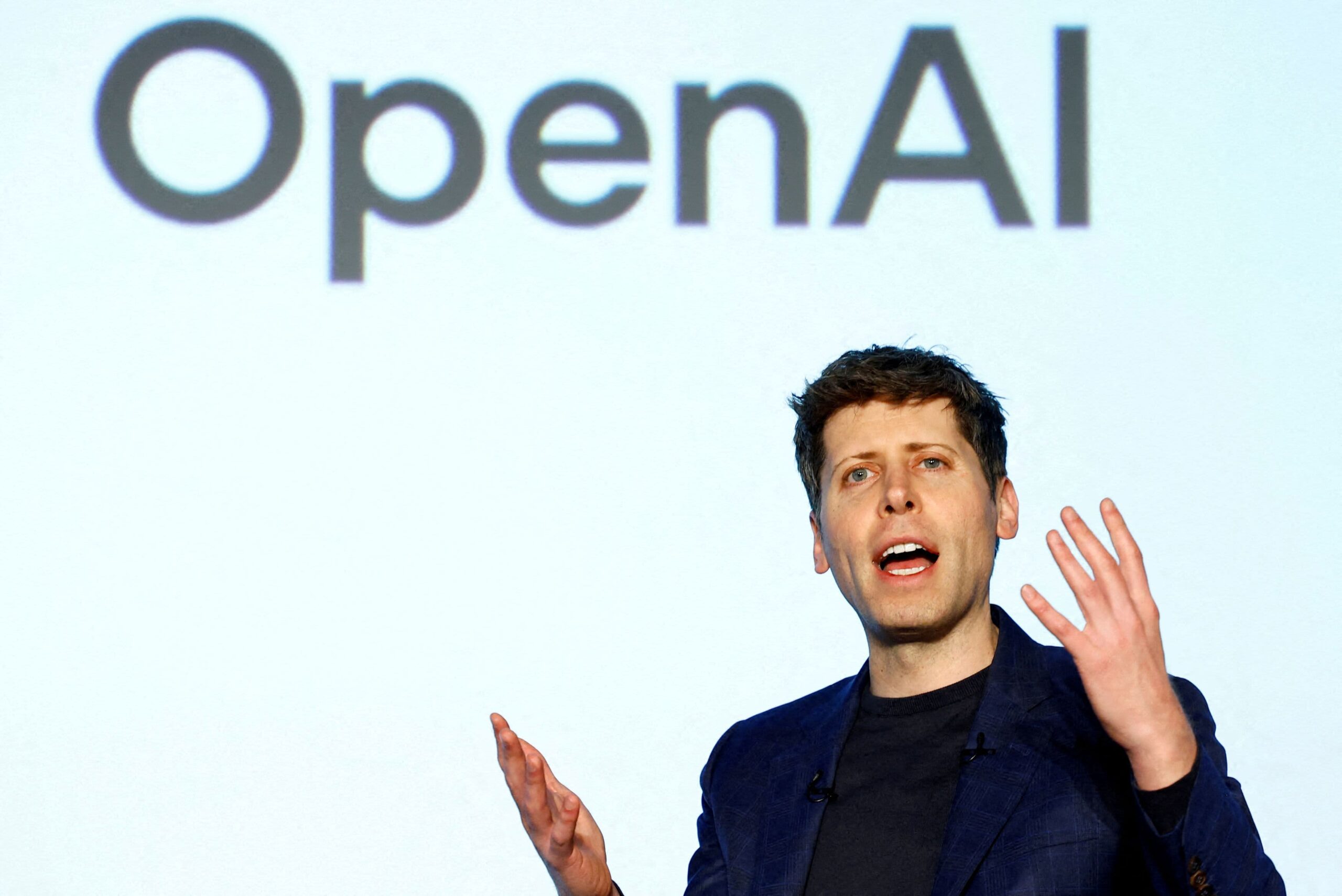
OpenAI has introduced an integration that allows authorized healthcare organizations to connect Epic electronic health records with ChatGPT for Healthcare, expanding the company’s use of artificial intelligence in clinical settings.
The integration allows authorized clinicians to bring patient information from supported Epic environments into ChatGPT for summarization and analysis.
OpenAI announced the development on September 1, 2026, as part of a broader expansion of its healthcare products.
Epic says more than 325 million patients have a current electronic record in its system. That figure represents the scale of Epic’s EHR network and does not mean OpenAI has been given unrestricted access to those patients’ records.
Access is controlled by participating healthcare organizations and existing clinician permissions.
Clinicians must authenticate through their Epic accounts, while healthcare organizations must configure the connection. OpenAI says the integration does not give a user access to information beyond the permissions they already have in Epic.
The integration is currently read-only.
ChatGPT can retrieve and analyze permitted information, but it cannot modify the medical record, place medical orders, message patients or override Epic permissions.
Available information can include clinical notes, medications, conditions, encounters, laboratory results, diagnostic reports and specialist documentation, depending on how an organization configures its Epic connection and the permissions assigned to the clinician.
OpenAI’s Epic integration documentation lists supported EHR resources including patients, conditions, allergies, medication requests, medication dispensing information, observations, documents, diagnostic reports and encounters.
Additional resources, including appointments, procedures, immunizations and care plans, can also be configured.
In practice, clinicians can ask ChatGPT to summarize recent changes in a patient’s record, review laboratory results, identify medication changes, summarize specialist recommendations or identify unresolved referrals and follow-up needs.
OpenAI says the system is designed to help clinicians synthesize information while keeping responsibility for reviewing the record and making care decisions with the healthcare professional.
UCSF Health is serving as a pilot partner for the Epic integration.
UCSF Health President and CEO Suresh Gunasekaran said the organization is testing whether the technology can help clinical teams identify important changes in complex patient records more quickly and reduce the time spent synthesizing information.
The Epic connection is part of a wider healthcare push by OpenAI.
In January 2026, the company introduced OpenAI for Healthcare and ChatGPT for Healthcare for clinical, research and administrative use.
OpenAI later introduced ChatGPT for Clinicians for verified U.S. physicians, nurse practitioners, physician assistants and pharmacists.
The company also began rolling out Health in ChatGPT for U.S. users aged 18 and older, allowing supported health records and Apple Health information to be connected within the Health experience.
OpenAI says information from connected medical records, Apple Health and conversations using them is not used to train its foundation models or target advertisements.
The company has also introduced a Healthcare Public Data plugin that provides structured access to official healthcare sources.
The plugin includes sources such as ClinicalTrials.gov, CMS Coverage, RxNorm, DailyMed and PubMed, with nine official public healthcare sources included in the broader offering.
This gives healthcare teams a way to combine patient information with external medical and healthcare data.
OpenAI describes potential uses including comparing clinical-trial eligibility requirements, checking medication information and reviewing Medicare coverage information.
The company says physicians evaluated ChatGPT across 27 clinical use cases, including pre-visit review, clinical timelines, medication review and handoff summaries.
Across 4,363 ratings in that evaluation, physicians rated 99.1% of responses as safe.
OpenAI also says hundreds of physicians across 60 countries, 49 languages and 26 medical specialties have reviewed more than 700,000 model responses involving real-world health scenarios.
In a separate evaluation involving five connected healthcare data sources, OpenAI says more than 93% of responses were rated “good” or better for accuracy.
Those figures are evaluation results and do not mean ChatGPT is 99.1% accurate in clinical decision-making.
The Epic integration is intended for ChatGPT for Healthcare and eligible HIPAA-enabled ChatGPT Enterprise workspaces rather than ordinary consumer ChatGPT accounts.
OpenAI says the healthcare environment includes enterprise controls such as role-based access, single sign-on and audit logs, along with support for Business Associate Agreements.
For organizations handling protected health information, OpenAI says an applicable Business Associate Agreement and appropriate configuration are required.
The company also says content shared with ChatGPT for Healthcare is not used to train its models.
The technical connection uses Epic’s existing EHR infrastructure.
Healthcare organizations configure an Epic EHR application, including its FHIR endpoint and OAuth credentials, rather than giving OpenAI unrestricted access to an entire EHR system.
Epic’s open developer platform provides APIs used by thousands of connected applications.
Epic is also developing its own artificial intelligence products.
The company has introduced Art for clinicians, Emmie for patients and Penny for operational workflows.
Epic reported in April that its AI tools were being used across a customer base serving more than 280 million people in the United States.
The company has also expanded AI features in MyChart, including Emmie, an assistant designed to help patients understand their health information.
The OpenAI integration therefore places ChatGPT alongside an expanding set of AI tools operating within the Epic ecosystem.
The development also comes as Epic faces scrutiny over access to healthcare data.
Reuters reported in August that the U.S. Federal Trade Commission was investigating Epic’s data-access practices. Epic has denied engaging in anticompetitive behavior and has said healthcare providers, rather than Epic, control access to their patients’ records.
The Texas attorney general has separately sued Epic, alleging anticompetitive conduct involving healthcare data access. Epic has disputed those allegations.
There is no established evidence that those regulatory matters caused or directly led to the OpenAI integration.
For patients, the announcement does not mean that a person can enter a patient’s name into a normal ChatGPT account and retrieve that person’s medical history.
The Epic integration requires organizational configuration, authorized access and clinician authentication through Epic.
OpenAI says individual ChatGPT for Clinicians accounts do not currently receive the Epic integration, although eligible users can access the separate Healthcare Public Data plugin.
For now, the integration is focused on retrieving and interpreting information rather than taking action inside the medical record.
That leaves clinicians responsible for checking the underlying chart and making medical decisions, while OpenAI’s system operates as a tool for organizing and analyzing information already available to authorized users.

Discover more from Aree Blog
Subscribe now to keep reading and get access to the full archive.