Google is working on Windows Subsystem for Linux (WSL) support for Antigravity, while also developing what it describes as better native Windows support for the AI development platform.
The company confirmed the work after a developer asked for the ability to select WSL as the agent environment inside the standalone Antigravity 2.0 application.
Rody Davis, a senior developer relations engineer working with Google Antigravity and DeepMind, said the team is “working on WSL and better native windows support” and is taking time to get the implementation right.
The confirmation was reported by Windows Latest on August 29, 2026.
Google has not announced a release date for the WSL work, nor has it detailed exactly what the improved native Windows support will include.
Antigravity 2.0 already supports Windows. Google introduced it in May 2026 as a standalone desktop application available on macOS, Linux and Windows.
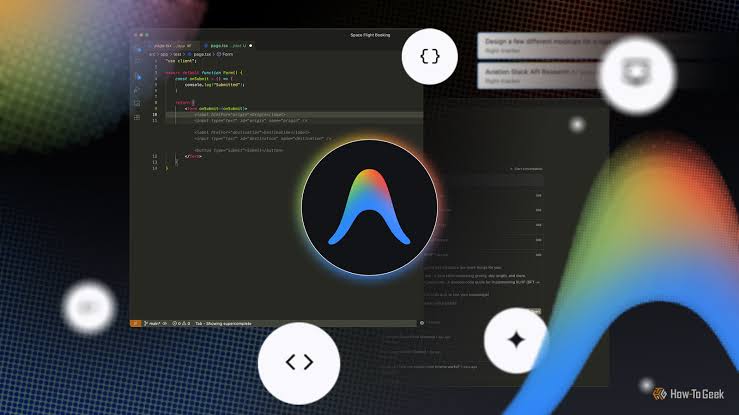
According to Google’s Antigravity 2.0 announcement, the application is designed around autonomous agents rather than a traditional integrated development environment.
Google said Antigravity 2.0 can run agents synchronously or asynchronously and introduced features including dynamic subagents, scheduled tasks and JSON hooks.
The company also separated the concept of a project from a repository. A project can contain multiple folders and maintain its own agent settings and permissions.
Google’s documentation currently lists Windows 10 64-bit or later as the minimum Windows requirement for Antigravity 2.0, with downloads available for both x64 and ARM64 systems.
The company also offers the Antigravity CLI on Windows through PowerShell and Command Prompt, alongside versions for macOS and Linux. Google describes the CLI as a way to build, debug and ship directly from a codebase through the terminal.
However, WSL support remains an area where users have reported problems with Antigravity and its command-line tools.
Issues in the public Antigravity CLI repository include reports involving authentication persistence in WSL, with some users saying they were required to authenticate again after starting a new terminal session.
A separate WSL2 issue reported that the Antigravity CLI could crash on Ubuntu under WSL2 because the binary expected AES instructions that were not available to the environment described by the reporter.
Another issue documented problems with login persistence on both Windows 11 PowerShell and WSL2 Ubuntu.
These reports do not establish that the same problems affect every Antigravity user, but they show that Windows and WSL have already generated specific compatibility and usability requests around the platform.
Google’s developer forum also contains discussions about WSL integration following the arrival of Antigravity 2.0. One reported concern was that the standalone application did not provide the same WSL workflow that developers had used with the earlier Antigravity IDE experience.
That distinction is important because Google has maintained two related applications during the transition to Antigravity 2.0.
Google said the Antigravity IDE would remain available alongside version 2.0 for a period, while the company moved the Agent Manager experience into the standalone application. The company described Antigravity 2.0 as the future direction for its agent-first experience.
The planned WSL work therefore appears focused on bringing deeper Linux-environment support into the standalone Antigravity experience rather than simply adding a Windows installer.
Google has not said that it plans to rebuild Antigravity using a particular Windows application framework. Claims that the company is specifically moving to WinUI have not been confirmed by Google.
The development also comes as WSL gains greater attention among AI coding tools.
GitHub recently introduced experimental WSL support in its Copilot desktop application, allowing users to create agent sessions inside WSL environments and connect projects through Linux paths.
That development was also documented in the Windows Latest report, which linked the Google and Microsoft developments.
For Antigravity, the distinction between Windows and WSL is significant because the company is building the product around agents that can perform work directly on users’ projects.
Google’s own Antigravity documentation says agents can operate in Local Mode, where they work directly in active folders, or New Worktree Mode, where they work in an isolated Git worktree.
Adding WSL as an agent environment would extend that execution model to a Linux environment running within Windows. Google has not yet published the technical design for how that integration will work.
For now, the confirmed position is straightforward: Antigravity already runs on Windows, its CLI already has Windows support, and Google is now publicly acknowledging that it is working on deeper WSL integration and improved native Windows support.
The company has provided no public timetable for those changes, so developers using Antigravity on Windows will need to wait for further details or an official release.

Discover more from Aree Blog
Subscribe now to keep reading and get access to the full archive.