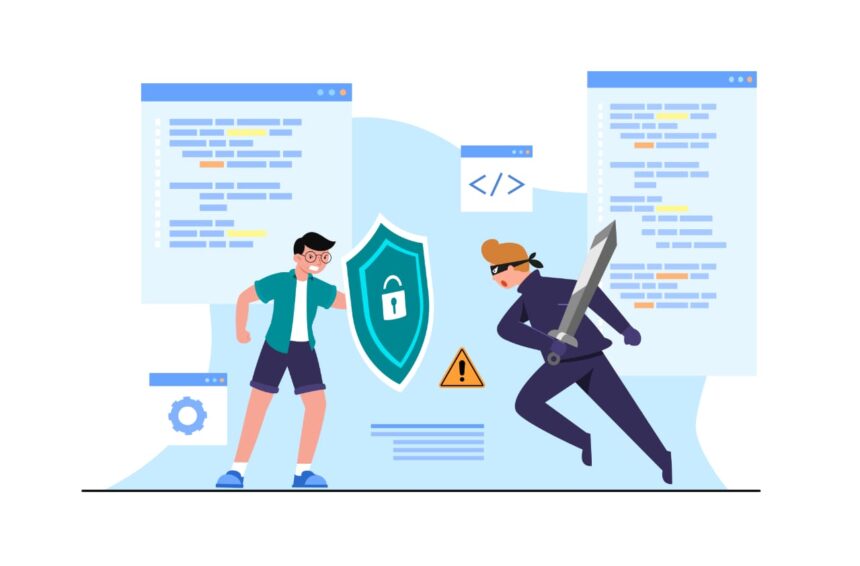
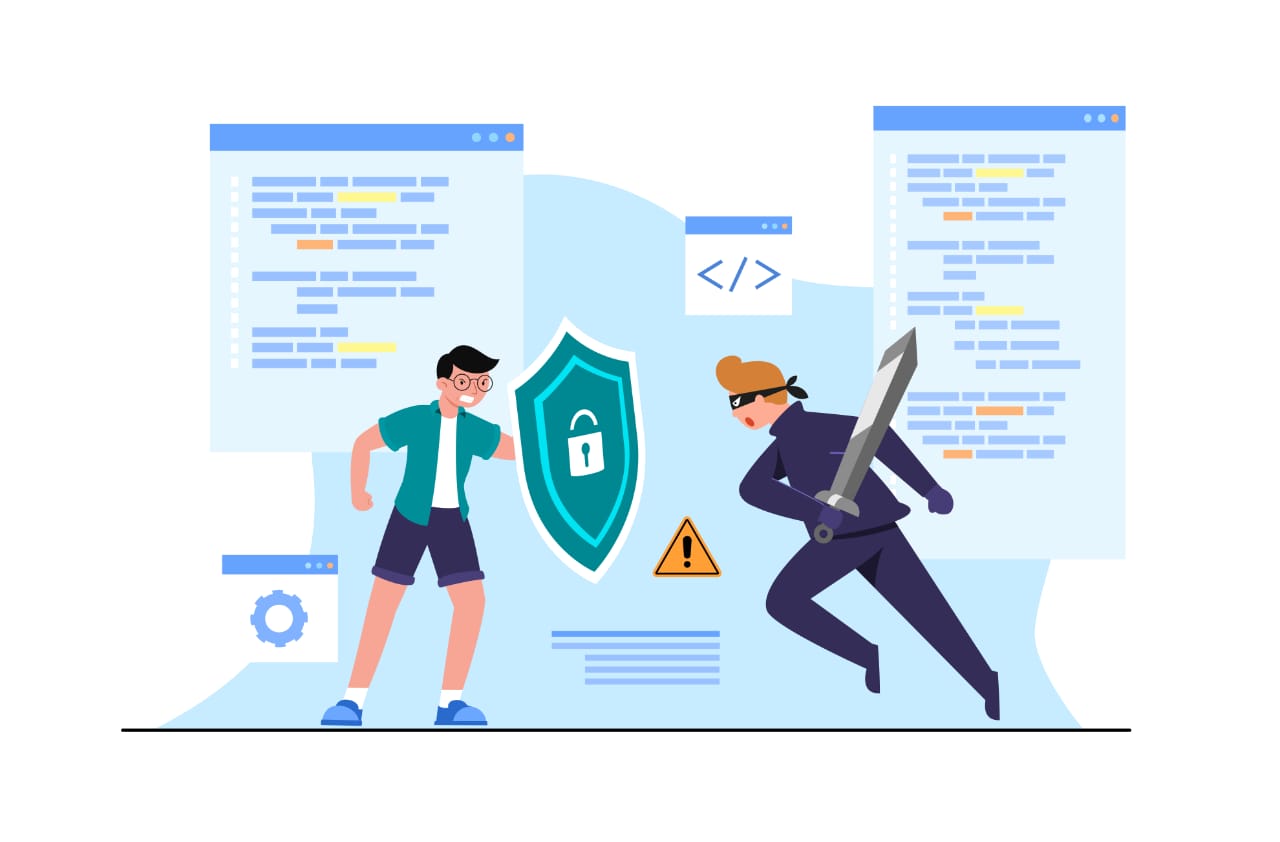
When people talk about compliance and security, they often act as if a green checkmark from an auditor closes the book on risk. That’s tempting: audits are neat, measurable, and they make boards and lawyers sleep a little easier. But experience from the field, and some high-profile incidents, shows that meeting a standard at one moment in time does not guarantee protection tomorrow.
Compliance vs Security: Different Goals, Different Timelines
Compliance is a public promise: you follow a list of rules set by regulators, industry groups, or standards bodies.
Security is a living practice: you try to stop, detect, and recover from attacks that are constantly changing. The two overlap, compliance often requires things that improve security, like access controls or encryption, but they don’t line up perfectly.
An audit looks backward. It samples evidence, tests whether specified controls exist and are documented, and then issues a finding or a certificate. Security teams have to work forward: threat actors probe unfamiliar corners of your systems every day.
A control that met an auditor’s requirements last quarter can be misconfigured, bypassed, or irrelevant against the latest attacker technique next week. Because of this timing mismatch, organizations can be fully compliant and still be vulnerable.
How Compliance Can Produce Blind Spots
There are several common ways that a compliance-first approach leaves gaps. These points come from real incidents and reviews of breaches over the last decade.
First, checklists encourage a “tick-box” mindset. When teams focus on producing artifacts, reports, policy documents, screenshots for auditors, the question becomes “Is this documented?” rather than “Does this actually work under attack?” Documentation is important, but documentation alone isn’t proof that a defense will stop a determined intruder.
Second, audits are periodic and scoped. An audit verifies a sample of systems within a defined boundary at a fixed time. It cannot show that monitoring, detection, and response capabilities are operating continuously across every change your environment sees. Attackers exploit drift, the gap between the audited snapshot and the current reality.
Third, standards often lag the threat landscape. Regulations are typically written after major incidents or through lengthy industry processes. By the time a rule is updated, attackers may have shifted tactics. That’s why a control that satisfied a regulation years ago can be ineffective today without ongoing adjustment.
Finally, there are structural issues with how some compliance programs are enforced. Auditors and assessors vary in skill and incentives; in a few notable breaches, companies were considered compliant shortly before attackers exfiltrated large volumes of data.
The Target breach of 2013, where payment card data from millions of customers was stolen despite existing PCI processes, is a clear demonstration of how certification doesn’t eliminate real risk. Post-breach investigations showed missed alerts and network segmentation failures that audits hadn’t caught.
Examples that Help the Point Land
It’s useful to look at examples because they reveal common patterns.
Target (2013) is often cited because the company had industry controls in place and yet attackers used an HVAC vendor’s credentials to reach point-of-sale systems. For weeks, malware-generated alerts were not acted upon, and sensitive systems were not adequately isolated.
The breach exposed how operational failures and incomplete monitoring can undermine formal compliance steps.
Other historical incidents show similar themes: certified entities that were later found to have gaps in implementation, or where rapid change in infrastructure outpaced the compliance view.
These examples aren’t meant to discredit standards, they’re useful guardrails, but they do highlight that certification is only one box to check, not the final destination.
Moving from Compliance to Real Security
If your organization relies on compliance as the endpoint, shifting posture requires changes in mindset and practice. Here are approaches that help security keep up with reality.
Make monitoring and response continuous. Audits happen on a schedule; threats do not. Invest in detection tooling, but more importantly invest in the people and processes that interpret alerts and act quickly. Continuous monitoring lets you see when a control that used to work stops working.
Adopt a risk-based program. Instead of treating every control as equal because the standard says so, prioritize controls by the actual risk to your business. Where would an attacker cause the most damage? Start there, and let that risk picture shape your investments. This approach makes security practical and defensible to leadership.
Test actively and often. Penetration tests, purple-team exercises, and red-team engagements reveal how controls behave under real-world tactics. They’re not a substitute for compliance, but they prove whether an organization can detect and stop a simulated attacker. Use findings to improve both operational controls and the evidence you present to auditors.
Bake security into development and operations. Move controls left into design and CI/CD pipelines so that security is enforced automatically where possible. This reduces the reliance on manual checklists and prevents drift between the audited state and the running state of systems.
Invest in people and decision processes. Tools generate signals; people make sense of them. Train teams to look for adversary behavior, empower them to act, and measure outcomes (time to detect, time to contain), not just artifacts produced for auditors. A resilient operation depends on judgement as much as it does on configuration.
The Right Relationship Between Compliance and Security
Compliance should be treated as helpful constraints (a minimum standard that everyone should meet) but security needs to be a continuous discipline tailored to your business. Use audits to hold teams accountable and to document baseline controls, but don’t let certification replace continuous testing, risk prioritization, and operational readiness.
Standards can nudge organizations toward safer defaults; when combined with thoughtful implementation, they’re powerful.
The problem arises when compliance is used as a shield: “We’re compliant, so we’re safe.” Replace that sentence with: “We’re compliant, and here’s how we validate our controls every day.” That sentence is harder to write, but it’s also truer.

Discover more from Aree Blog
Subscribe now to keep reading and get access to the full archive.