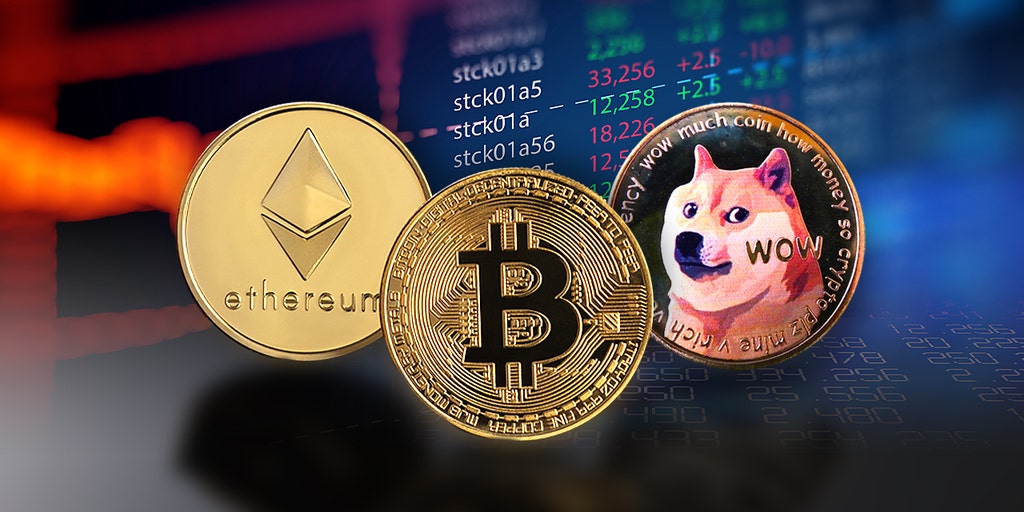
DogeOS has opened its public testnet, giving developers a live environment for building Ethereum-style smart contracts and decentralized applications while using Dogecoin as the native fee token. The testnet, named Chikyū, went live on September 30, 2026, and is designed to add programmable applications to the Dogecoin ecosystem without changing the Dogecoin Layer 1.
The network is an application layer built on Dogecoin rather than an upgrade that turns Dogecoin itself into an Ethereum-compatible blockchain. DogeOS describes Chikyū as an application-layer rollup network running on a zkVM, with compatibility with the Ethereum Virtual Machine and the Ethereum Prague upgrade. Developers can deploy Solidity-based contracts using tools such as Hardhat and Foundry.
DOGE is used to pay transaction fees on the testnet. DogeOS lists chain ID 6281971 and provides a public RPC endpoint, faucet, bridge and block explorer through its testnet portal. The project says the network can produce blocks in about three seconds, compared with roughly one minute on Dogecoin Layer 1, and has a target of about 300 transactions per second.
The launch gives projects building decentralized finance applications a common environment for testing lending, trading, derivatives, stablecoins and other smart-contract-based products. DogeOS’s ecosystem directory includes projects such as Barkswap, Superposition Finance, Derps, Split Markets and USDoge, alongside applications covering gaming, NFTs, payments and other use cases.
A separate application layer with a staged security model
The architecture uses zero-knowledge technology to support verifiable execution, but Dogecoin does not currently verify DogeOS’s ZK proofs directly. Current reporting on the launch describes a security model that includes validators, a permissioned sequencer, a trusted execution environment and signatures for certain state and bridge operations.
DogeOS has proposed a Dogecoin Core change called OP_CHECKZKP that would allow Dogecoin to verify zero-knowledge proofs natively. The proposal is intended to support rollups and other forms of verifiable computation on the base chain, but it has not been implemented in Dogecoin Core. That means the public testnet should not be described as a system already secured through native ZK-proof verification by Dogecoin miners.
The current testnet is therefore primarily a development environment. The DogeOS developer documentation provides instructions for connecting wallets, deploying contracts and using standard Ethereum development infrastructure. Users can also obtain test DOGE from the network’s faucet and move testnet funds between Dogecoin and DogeOS through the available bridge.
The project is backed by the team behind MyDoge, the Dogecoin wallet, and announced a $6.9 million funding round led by Polychain Capital in 2025. That financing and the partnerships announced before the public testnet helped support development of the application layer, but the current event is the opening of the network to public testing.
DogeOS has not announced a mainnet date. Its September 30 launch materials present the public testnet as the environment for developers to build and test applications before a future mainnet release. The project’s documentation also indicates that some applications listed in its ecosystem are still under development rather than universally available on the testnet.
The DogeOS ecosystem directory currently lists projects across DeFi, gaming, AI, NFTs, launchpads, payments and consumer applications, while the public testnet provides the infrastructure for those developers to deploy and test EVM-compatible contracts using DOGE for gas.

Discover more from Aree Blog
Subscribe now to keep reading and get access to the full archive.